
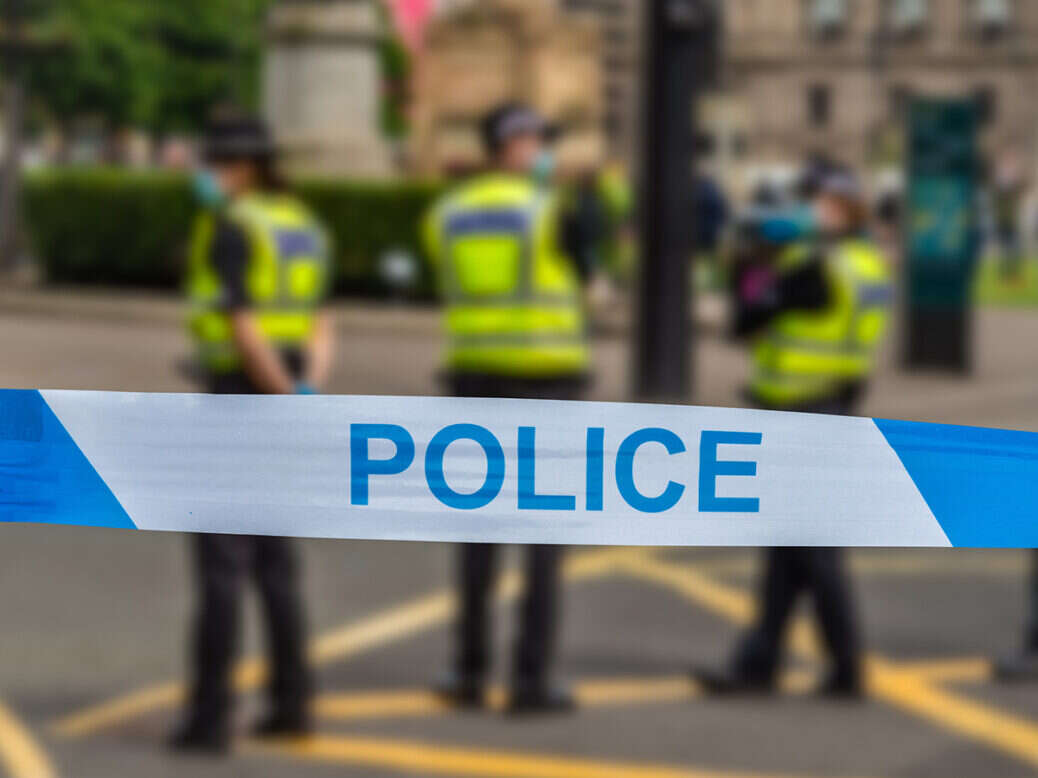
Police cordon. Picture: Getty Images
There is a scene that plays out in newsrooms and police press offices across the country every day. A journalist needs information. A police communications officer is trying to make sure information released will not interfere with a potential court case. Somewhere in between, the public waits and in that gap, rumour, speculation and outright falsehood can take root.
We now live in a world where misinformation spreads like wildfire. A single social media post can reach millions within minutes. By the time a police force has issued a considered response, the damage can already be done to communities, to investigations and to public trust in the institutions that are there to protect them.
This week represents one of the most significant resets in the relationship between policing and the press since The Leveson Inquiry almost 14 years ago.
Policing has worked with national and regional media on a landmark piece of work to strengthen our relationship so that the public can have confidence in what they are being told by trusted media outlets.
The College of Policing has published new national guidance for all police forces in England and Wales which sets out the level of information the public and accredited media will receive from police forces, meaning people can expect clear, timely updates, especially at times of uncertainty and during high-profile incidents.
Also published this week is a new police and media charter for both policing and journalists to use, setting shared principles, standards and expectations that will create national consistency.
This is not a gesture of goodwill or a document of aspiration. It is the result of over two years of honest, sometimes difficult, conversation between senior police leaders, journalists, prosecutors and media lawyers. People who have not always seen eye to eye, sitting down together to agree on something that matters: how we serve the public better.
At the heart of this charter is a simple but profound commitment to consistency, transparency and accuracy. One of the areas where this matters most is the release of information about suspects. Where nationality and ethnicity is known or recorded, in high-profile or sensitive cases where misinformation presents a risk, police may confirm this information on arrest or on charge. This must be used very carefully and be centred on ensuring the information reaching the public is factual, verified and consistent so that voids are not filled by speculation or worse.
This matters because the consequences of getting it wrong are serious. When policing withholds information that the public has a legitimate right to know, trust erodes. When inaccurate information circulates unchallenged, communities can be put at risk and individuals wrongly implicated.
Journalism and policing are not natural allies. Nor should they be. A media that simply reports what police tell them is not serving the public. The ability of journalists to scrutinise police decisions, challenge narratives and hold forces to account is not an inconvenience to be managed. It is essential to the legitimacy of policing in a democratic society.
The public deserves to receive accurate, timely information from sources they can trust whether that be during a major incident, a high-profile arrest or a fast-moving investigation.
In a world full of noise, the facts matter if we are to keep the public safe.
Email [email protected] to point out mistakes, provide story tips or send in a letter for publication on our “Letters Page” blog