
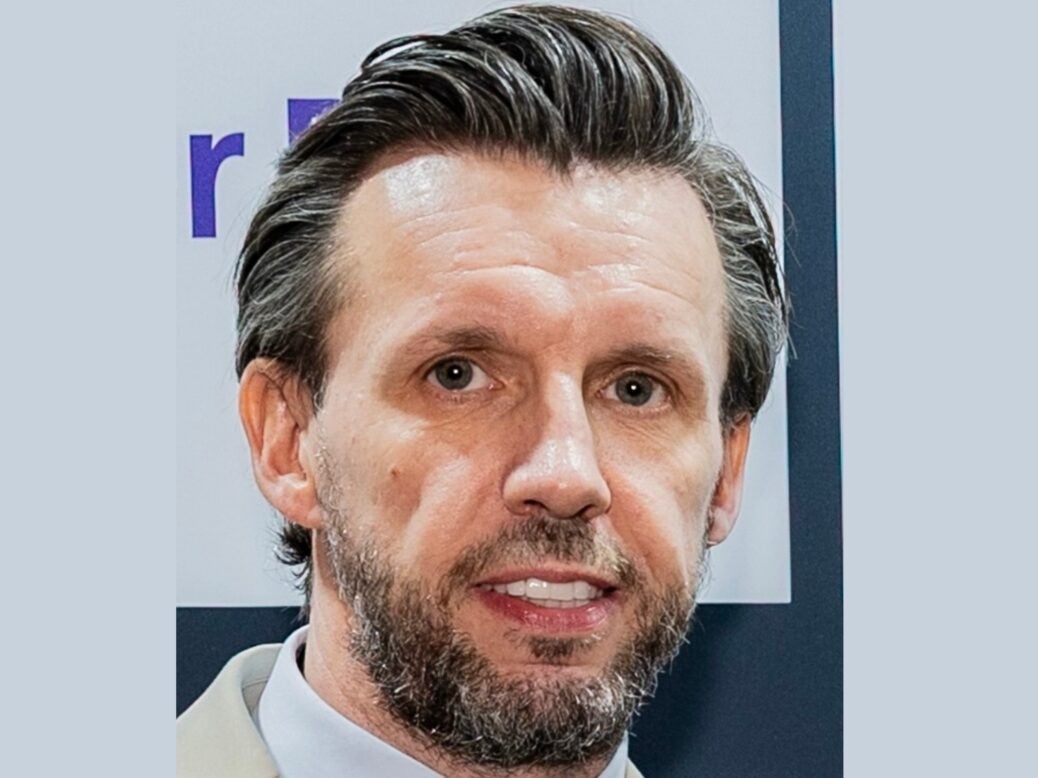
Martin Breen, executive editor of Mediahuis Northern Ireland. Picture: Submitted
“Some of the best stories come from the most unexpected places and conversations,” says Martin Breen, executive editor at Mediahuis Northern Ireland.
Breen has worked with the publisher of titles including Belfast Telegraph and Sunday Life newspaper for 18 years, starting as executive editor at Sunday Life in 2008 before moving to deputy editor-in-chief at Mediahuis UK in 2020. In 2025, he became executive editor of its titles in Northern Ireland.
Prior to this, Breen has held roles of reporter at News of the World, Sunday Life and Belfast Telegraph.
Earlier this year, the Belfast Telegraph won Website of the Year (Regional/Local) at the Future of Media Awards . The judges said the paper had demonstrated “great use of video and live journalism and smart use of the archive as part of an impressive paid subscriptions strategy”.
What’s been a big turning point/breakthrough moment for you?
I started out as a graduate trainee journalist at the Belfast Telegraph back in 1998, covering some extraordinary events and stories in Northern Ireland. Moving into an editorial leadership role has been another significant turning point: going from concentrating on your own stories to creating an environment in which dozens of other journalists can do their best work.
Winning Regional Website of the Year at the Press Gazette Future of Media Awards in September was another milestone, recognising the work being done across the newsroom.
What’s currently keeping you up at night?
The biggest challenge is ensuring we continue to produce journalism that people genuinely value enough to pay for, while navigating an industry that is changing at an extraordinary pace.
We have made significant progress with digital subscriptions, audience engagement and new ways of telling stories, but we cannot be complacent. We have to keep innovating and finding new audiences without compromising the journalism.
I’m also conscious of the pressures facing journalists. With increasing demands and more platforms to serve, we need to make sure that we continue to invest in original reporting, investigations and the next generation of journalists.
What gets you out of bed in the morning?
I genuinely enjoy the business we’re in. I’m one of those people who checks the website first thing in the morning to see what’s happening and how our stories are performing.
Northern Ireland is a fascinating place to be a journalist, never short of major news stories, controversy or unexpected developments.
How are things going right now, what’s working?
We now have more than 19,000 paying digital subscribers, putting us among the strongest individual regional newspaper subscription businesses in the UK and, as far as we are aware, gives us one of the largest digital-only subscriber bases of any individual regional title.
Subscriber engagement has also improved significantly, with Subscriber Attention Time (SAT) up 31% since summer 2025.
That’s the result of a huge amount of work across the newsroom. We’ve also invested in new journalist creators, local reporters, video, podcasts and social platforms to reach new audiences.
What has been your proudest achievement?
The answer to this would be different for different periods of my career. Way back at the start of my career it was being named Young Journalist of the Year at the Press Gazette Awards in 2001, followed by further recognition both as a journalist and as an editor.
Having been involved in some major investigations and stories, there is enormous satisfaction in seeing journalism make a difference.
The recent case of former DUP leader Jeffrey Donaldson being convicted of sex offences against children (which broke all records for us on SAT and subscription acquisition) is an obvious example, but I’m equally proud of the work journalists do every day to uncover local stories.
Biggest mistake, and what did you learn from it?
This may not be the biggest mistake in the world, but it is certainly among my most memorable.
When I was a student and freelancing as a journalist, I attended a gig in Belfast by one of the biggest bands in the world at the time. The following day, my friends and I continued the celebrations with a road trip to Dublin.
As we enjoyed a few pints in a city centre pub, two members of the very same band walked in. I approached them to see if they would be up for a chat. Amazingly, they agreed to an impromptu interview and I knew there and then that I had a great scoop. The lead singer asked me to be discreet so they wouldn’t be mobbed, so I kept my dictaphone below the bar and made very few notes.
When I later sat down to transcribe the interview, I discovered my dictaphone was completely blank. In my excitement, I had somehow forgotten to switch it on.
Most of the interview was lost, with just a few scribbled notes of my questions to show for it. It taught me a very basic but important lesson: however exciting an opportunity might be, always be prepared and, above all, always check that the red recording light is on.
When it comes to leading a team, motivating others, what works for you?
I think it’s important to give talented people the freedom and confidence to do their jobs, while also providing direction and being clear about what we are trying to achieve. Ultimately, people are motivated when they feel they are doing something worthwhile and they are part of a team with a clear purpose.
If you could give your younger self one piece of advice, what is it?
Don’t be in too much of a hurry. Take every opportunity to learn, ask questions and work alongside people who are better than you.
Don’t be afraid to put your hand up for things, even if you don’t feel completely ready. Some of the best opportunities come from stepping outside your comfort zone.
Who or what inspires you and why?
I’m probably most inspired by young journalists coming into the industry.
For many years I have been involved with the NCTJ and regularly visit the journalism course at Ulster University. It is always heartening to see the enthusiasm, ambition and talent of people starting out in journalism. It’s easy to be pessimistic about the future of the industry, but it’s important to invest in the next generation. That is something we have done this year with 11 new local journalists and journalist creator roles.
What is your work mantra?
Everyone has a story.
Never assume someone doesn’t have a story to tell just because they’re not famous or in a position of influence. Everyone has a story – you just have to be interested enough to find it.
Some of the best stories come from the most unexpected places and conversations. It might be a taxi driver, a bartender or someone you happen to meet along the way. As a journalist, you should never stop being curious about people.
Topics in this article : Belfast Telegraph
Email [email protected] to point out mistakes, provide story tips or send in a letter for publication on our “Letters Page” blog